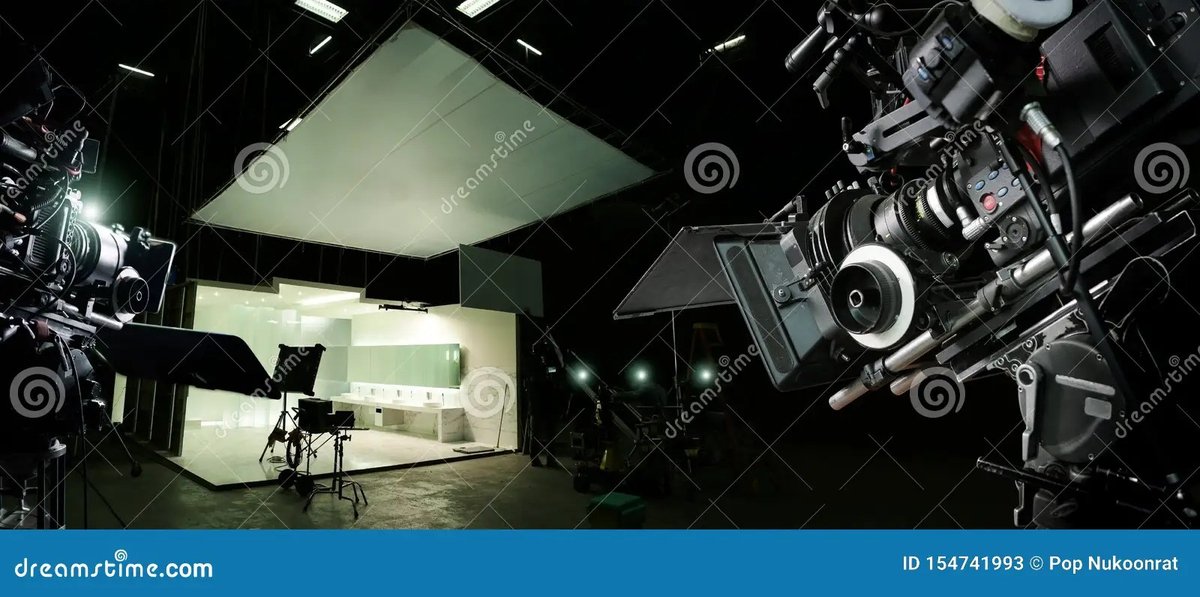
There's a special kind of magic that unfolds when you watch a truly compelling film. You're transported, immersed in a world that feels undeniably real, even when it’s fantastical. But have you ever paused to consider how that illusion is crafted? The truth is, the magic isn't just on screen; it's meticulously built through the intricate dance of Filming Locations & Behind-the-Scenes Production. It’s a vast, collaborative effort where every detail, from the sprawling landscapes to the smallest prop, is a deliberate choice made by hundreds of dedicated professionals.
This isn't just about actors delivering lines or directors calling "action." It's about a grand symphony of logistics, creativity, and sheer willpower that brings stories to vibrant life. Understanding this process doesn't diminish the wonder; it amplifies your appreciation for the artistry and dedication involved.
At a Glance: Your Backstage Pass to Filmmaking
- The Blueprint Matters: Every film starts with an idea, but it’s the script and rigorous pre-production planning that turn abstract concepts into concrete schedules and designs.
- Locations Are Characters: Filming locations aren't just backdrops; they're essential storytellers, chosen for their ability to evoke emotion, define character, and drive narrative.
- Production is a Masterclass in Adaptability: From unexpected weather to technical hiccups, the on-set production team constantly problem-solves, ensuring the shoot stays on track.
- The Unsung Heroes are Critical: Beyond the stars and director, a massive crew of specialists—from script supervisors to catering—works tirelessly to keep the complex machinery running.
- Post-production Weaves the Final Spell: This is where raw footage is sculpted into a cohesive story, enhanced with visual effects, sound design, and music to create the finished cinematic experience.
- It’s a Team Sport: Filmmaking demands unparalleled collaboration, communication, and resilience, forging strong bonds and infusing passion into every single frame.
The Unseen Symphony: Why Locations and Production Matter
Imagine trying to build a magnificent skyscraper without an architect's blueprint, without skilled tradespeople, or without a precise location. It’s unthinkable, right? The same principle applies to filmmaking. The entire process, from the first spark of an idea to the final cut seen in theaters, is a complex, multifaceted journey. It requires a deep interplay of creative vision and technical precision, a delicate balance where every stage builds upon the last.
Behind every unforgettable scene lies a labyrinthine process of decision-making, problem-solving, and pure artistry. The choice of a filming location can define a film's mood, scale, and authenticity. The invisible hand of production ensures that vision translates into reality, transforming abstract concepts into tangible visuals and sounds.
The Genesis: From Spark to Story
Every film, no matter how grand or intimate, begins as an idea. This initial spark is often an abstract concept, a character, a single image, or a powerful message. Writers then take up the mantle, meticulously developing these nascent ideas into comprehensive screenplays. This isn't a solitary endeavor; it's a journey through multiple drafts, rigorous rewrites, and invaluable feedback sessions, often in close collaboration with producers and directors.
The script isn't just dialogue and stage directions; it's the very foundation and blueprint for the entire production. It establishes the story's structure, defines the characters, and dictates the pacing. Producers and directors weigh in early to ensure the story is not only compelling but also feasible within budgetary and logistical constraints. This early, often overlooked stage is where the emotional core and practical backbone of the film are forged.
Pre-production: Crafting the Blueprint for Reality
If the script is the dream, pre-production is where that dream gets its marching orders. This is the busiest, most strategic phase, transforming the written script into actionable plans. Producers become orchestrators, securing essential financing and assembling the formidable creative team—cinematographers, production designers, costume designers, and countless others. Simultaneously, the crucial process of casting begins, finding the perfect actors to embody the characters.
Directors, working closely with their department heads, define the film's entire visual style. This involves crucial decisions about everything from color palettes to camera movements. One of the most significant undertakings during this stage is location scouting. This isn't just about finding a pretty spot; it’s about identifying places that can tell the story, meet technical requirements, and fit the budget. Art departments begin designing sets and sourcing props, while costume designers and makeup artists envision and create the distinct looks for each character.
To meticulously plan every shot, storyboards are drawn and shot lists are created. These visual guides map out how each scene will be filmed, framing by frame. Think of it as a detailed architectural plan for every moment of the film. This phase is characterized by intense problem-solving, precise budget setting, and anticipating every conceivable challenge—from unpredictable weather to complex stunts. It’s here that the logistical magic starts to happen, laying the groundwork for everything that follows.
Finding the Scene-Stealer: The Art of Location Scouting
Location scouting is far more complex than simply pointing to a pretty building or a scenic vista. It's a critical storytelling tool, a logistical puzzle, and a negotiation challenge wrapped into one. A good location can imbue a scene with instant character, historical weight, or a specific mood that sets it apart.
For instance, consider a scene set in a bustling 1940s New York City. A production team might scout period-appropriate city blocks in modern-day Brooklyn, or even travel to a city like Budapest, known for its well-preserved historical architecture, which can double for various European or American locales. The decision isn't just visual; it's about accessibility, local film incentives, and the feasibility of transforming the space. Could you imagine a historical drama trying to recreate an entire ancient city on a soundstage when a real one exists? It’s often more authentic and sometimes even more cost-effective to use the real world as your canvas.
Sometimes, the choice of location itself becomes a character, subtly influencing the narrative. Think of the isolated, ominous hotel in "The Shining" or the fantastical landscapes of "Lord of the Rings." These aren't just places; they're integral to the film's identity.
Production: Bringing the Vision to Life, One Shot at a Time
This is it: principal photography, the stage affectionately known as "production." This is where months, sometimes years, of planning culminate as the story physically comes to life. The cast, crew, and an immense amount of equipment converge on set—whether that's a soundstage, a remote mountain peak, or a busy city street.
The director, often the central creative force on set, guides performances and visual storytelling. Their role is to translate the script and the pre-production blueprint into tangible frames, ensuring every take aligns with the overarching vision. Cinematography is paramount, involving the careful capture of visuals through precise camera angles, sophisticated lighting setups, and intentional camera movement. Every choice, from the lens used to the intensity of a light source, serves to craft the desired visual language.
High-quality sound recording is equally critical. Crystal-clear dialogue and ambient sounds captured on set are essential for creating an immersive and believable experience. Daily operations are a masterclass in coordination: rehearsals are conducted, scenes are "blocked" (choreographed movements for actors and cameras), and multiple takes are captured to ensure the director gets the perfect shot. Adaptability is the name of the game during production. Weather can turn on a dime, technical glitches can arise, or a performance might need finessing. The entire team must be agile, resilient, and ready to pivot to overcome obstacles and keep the momentum going.
On Set: The Daily Grind and Glorious Moments
A typical day on a film set is a whirlwind of organized chaos. It begins early, often before dawn, with crew members setting up equipment, lighting, and sound gear. Actors arrive, go through hair and makeup, and review their lines. The assistant director orchestrates the day's schedule, pushing to meet deadlines while ensuring safety and quality.
Lunch is a crucial break, often provided by a dedicated catering team, sustaining hundreds of people. The script supervisor meticulously tracks every detail of continuity—from an actor's hair straying to the position of a prop—to ensure seamless editing later. Production assistants (PAs) are the unsung heroes, managing logistics, running errands, and solving myriad small problems that keep the larger machine moving. It's an environment of intense focus and camaraderie, where the pressure is high, but the collective drive to create something extraordinary is even higher. To get a glimpse into how these stories unfold, you might even Explore the Princess Diary Diary of a production, revealing the daily challenges and triumphs.
Post-production: Shaping the Final Story
Once the last "cut!" is called and principal photography wraps, the raw footage isn't a film yet; it's a massive puzzle waiting to be assembled. This is the domain of post-production, where the story truly takes its final shape.
Editors are the first artists to tackle the footage, sifting through hours of takes to piece together a cohesive narrative. They sculpt performances, refine pacing, and ensure every cut serves the story's emotional arc. Simultaneously, visual effects (VFX) artists dive into their intricate work, creating complex digital environments, fantastical characters, and breathtaking effects that might have been impossible or impractical to film practically.
Sound designers enhance the audio landscape, layering in effects like the rustle of leaves, the roar of a monster, or the subtle ambiance of a city street, all while ensuring dialogue is crisp and clear. Composers then weave their magic, scoring the soundtrack—music that underscores emotions, builds tension, and defines iconic moments. Finally, colorists fine-tune the visual palette, ensuring consistency and enhancing the mood of each scene. This stage demands immense precision and continued collaboration among directors, producers, and editors, who review countless cuts and make final adjustments, always honoring the original vision that began as a spark.
Beyond the Spotlight: The Unsung Heroes of the Set
Filmmaking truly is the ultimate team sport, relying on a vast network of professionals whose expertise collectively shapes the final product. While directors, actors, and cinematographers often receive the accolades, countless unsung heroes work tirelessly behind the scenes, essential to maintaining workflow, pace, and morale.
Consider the script supervisor, who meticulously tracks continuity, ensuring that everything from costume details to prop placement remains consistent across multiple takes and shooting days. Their eagle eye prevents glaring errors that could pull an audience out of the story. Production assistants (PAs) are the indispensable backbone of any set, managing logistics, running errands, communicating between departments, and solving countless small problems that keep the larger machine moving.
Then there are the highly specialized roles: the gaffers (chief lighting technicians), the key grips (chief rigging technicians), the sound mixers, the boom operators, the prop masters, the construction coordinators, and the set dressers. Each role requires immense skill and dedication. And let's not forget the crucial support staff: the catering teams who fuel hundreds of people daily, the transportation captains who move equipment and personnel, and the safety officers who ensure everyone returns home safely.
This intricate web of professionals demands significant collaboration, communication, adaptability, and resilience from the entire team. They collectively overcome obstacles and celebrate triumphs, often forging strong bonds that infuse passion and authenticity into every frame, making the finished film truly resonate with audiences.
Location, Location, Location: More Than Just a Pretty Backdrop
The choice of filming locations is a creative and logistical superpower. It's not just about aesthetics; it's a fundamental decision that profoundly impacts storytelling, budget, and logistical feasibility. A location can be a character in itself, define the film's tone, or provide crucial context without a single line of dialogue.
Strategic Selection: Decision Criteria for Filming Locations
When a director and their team scout locations, they consider a multitude of factors:
- Aesthetics and Storytelling: Does the location visually convey the desired mood, period, or setting? Does it enhance the narrative or provide unique opportunities for character interaction? A crumbling gothic mansion for a horror film, a bustling futuristic metropolis for sci-fi, or a quaint small-town square for a romantic comedy—each choice is deliberate.
- Logistical Feasibility: How easy is it to get crew and equipment to and from the location? Is there adequate space for cameras, lighting, and support vehicles? Are there suitable facilities for actors (trailers, restrooms), and a place for catering? Remote, beautiful locations often come with immense logistical headaches and costs.
- Budgetary Constraints: Renting a location, securing permits, and transforming it can be costly. Travel expenses, accommodation for the crew, and specialized equipment for remote shoots must all be factored in. Sometimes, building a set on a soundstage is more economical than using a real location, especially if extensive alterations are needed or if the location presents too many unpredictable variables.
- Historical and Cultural Accuracy: For historical dramas or films set in specific cultural contexts, authenticity is paramount. Finding locations that either genuinely reflect the period or can be convincingly altered is crucial.
- Permits and Legalities: Filming in public or private spaces almost always requires permits, insurance, and adherence to local regulations. Negotiations with property owners, city councils, or park services can be lengthy and complex.
- Weather and Environmental Factors: Outdoor locations are subject to the whims of nature. Productions must plan for potential rain, extreme temperatures, or natural light changes, often requiring contingency plans or specific shooting windows.
Transforming Spaces: From Scouting to Scene
Once a location is chosen, the transformation begins. This can involve anything from minor set dressing—adding furniture, props, or artwork—to extensive structural changes, painting, and even building temporary facades. Production designers and art directors work closely with location managers to ensure the space serves the script while respecting the property.
Sometimes, multiple locations are pieced together to create a single fictional setting. A character's house might be filmed in one residential neighborhood for the exterior shots, while the interior is a built set on a soundstage, allowing greater control over lighting, sound, and the ability to "break down" walls for wider camera angles. This creative illusion is a hallmark of sophisticated filmmaking.
Budgeting for Reality: Making Every Dollar Count
The financial aspect of film production is a constant balancing act. Every creative decision has a dollar figure attached, and producers are constantly weighing artistic ambition against practical constraints. From securing initial financing to managing daily expenses on set, robust budgeting and shrewd financial management are non-negotiable.
This involves allocating funds across all departments: talent, crew salaries, equipment rental, special effects, catering, transportation, and, significantly, locations and permits. Unexpected costs are almost guaranteed in film production, from weather delays to equipment malfunctions. Therefore, a contingency budget is always built in—a financial safety net for the inevitable "what ifs." Savvy producers also explore tax incentives offered by different states or countries, which can significantly reduce production costs and influence location choices. The goal is always to maximize the creative output while staying within financial bounds, making every dollar count toward realizing the cinematic vision.
Navigating the Unexpected: Contingency and Adaptability
Even with the most meticulous planning, film production is inherently unpredictable. The script might change last minute, an actor might fall ill, or a critical piece of equipment might fail. This is where the true resilience and adaptability of a film crew shine.
Contingency planning isn't just a budget line item; it's a mindset. Backup plans for locations, alternative shooting schedules, and redundant equipment are common. Directors and department heads must be quick thinkers, able to find creative solutions under pressure. A sudden rainstorm on an outdoor shoot might mean quickly moving to an indoor alternative, or rewriting a scene to incorporate the rain. The ability to pivot quickly and effectively, without sacrificing quality, is a hallmark of experienced film professionals. It's this continuous problem-solving, often behind the scenes, that ensures the production can overcome obstacles and achieve its triumphs.
The Future of Filming: Virtual Production and Beyond
The world of Filming Locations & Behind-the-Scenes Production is constantly evolving. While traditional methods remain foundational, technological advancements are pushing the boundaries of what's possible. Virtual production, using massive LED screens displaying immersive digital environments, is becoming increasingly prevalent. This allows filmmakers to create fantastical worlds or historical settings in real-time on a soundstage, giving actors dynamic backgrounds and realistic lighting that reacts to the environment.
This technology can reduce the need for extensive travel to remote locations and offers unprecedented control over the environment, though it brings its own set of technical challenges and costs. As AI and machine learning continue to advance, they are poised to further streamline pre-production (e.g., automated location scouting analysis) and post-production workflows. Yet, despite these innovations, the core principles—storytelling, collaboration, and the human element of creative problem-solving—will always remain at the heart of movie magic.
Your Ticket Behind the Curtain: What This Means for Audiences
Now that you've journeyed behind the scenes, you possess a deeper appreciation for the immense artistry and effort involved in creating the films you love. The next time you settle in for a movie, pause for a moment. Notice the intricate details of the filming locations—how they establish the mood, define the characters, or tell a story without words. Consider the subtle shift in lighting, the seamless flow of editing, or the powerful impact of the soundtrack.
Understanding the "how" doesn't detract from the "what"; it enhances it. You're no longer just passively watching; you're an informed observer, privy to the hundreds of decisions and thousands of hours of work that went into every frame. This knowledge transforms passive viewing into an active appreciation, allowing you to connect with the filmmakers' craft on a profound new level. It truly reveals that the magic of cinema is not just an illusion, but a meticulously constructed reality.